
Protecting a home from high winds and severe storms requires more than luck. Wind Mitigation refers to specific construction features and improvements that reduce storm damage and improve a home’s ability to withstand strong winds. For homeowners in hurricane-prone or storm-exposed regions, understanding these protections helps determine whether additional upgrades or an inspection make sense.

How storm protection features reduce wind damage
Storm-resistant construction focuses on strengthening the parts of a home most vulnerable to wind. These features help limit roof loss, water intrusion, and structural failure during severe weather events. Homes with stronger connections between the roof, walls, and foundation perform better in high-wind conditions.
The Federal Emergency Management Agency (FEMA) highlights roof attachment, opening protection, and load-path continuity as key elements of wind-resistant construction: https://www.fema.gov/emergency-managers/risk-management/building-science
Does the age of your home matter?
Older homes often face a higher risk of wind damage. Many houses built more than 20 years ago predate modern building standards. Construction methods and codes have improved significantly, especially in coastal and high-wind regions. If your home was built before these updates, it may lack critical reinforcements that newer homes include by default.
Why location plays a major role
Geography directly affects wind risk. Homes in areas that experience hurricanes, tropical storms, tornadoes, or frequent thunderstorms face greater exposure. Even inland properties can sustain wind damage during severe weather. If your area regularly experiences strong storms, reviewing your home’s wind-resistant features becomes especially important.
The Insurance Institute for Business & Home Safety (IBHS) provides research on regional wind risks and home resilience: https://ibhs.org/homeowners/
How construction quality affects wind resistance
The way a home is built strongly influences how it performs during storms. Solid roof coverings, reinforced wall systems, impact-resistant windows and doors, and properly secured garage doors all reduce wind vulnerability. Roof-to-wall connections, such as straps or clips, also play a major role in preventing roof failure.
Homes without these features face a higher risk of damage. In those cases, targeted upgrades may significantly improve storm performance.
Impact on insurance premiums
Many insurance providers offer discounts for homes with verified wind-resistant features. These homes experience fewer losses during storms, which reduces insurer risk. An inspection that documents these features can help homeowners qualify for premium reductions, depending on carrier guidelines and state regulations.
Florida homeowners can review state-level guidance on wind-resistant construction and insurance considerations through My Safe Florida Home: https://www.myfloridahome.gov/
Balancing cost and long-term value
Upgrading a home for storm resistance involves upfront costs. However, those costs often compare favorably to repeated storm repairs, higher insurance premiums, or uncovered damage. When evaluating improvements, homeowners should weigh installation costs against potential savings, reduced risk, and long-term peace of mind.
Next steps for homeowners needing a Wind Mitigation report
If you want a clearer picture of your home’s storm readiness, a professional inspection can identify existing wind-resistant features and areas for improvement.
Learn more about our Wind Mitigation Inspection Services or explore our Home Inspection Services to determine the right option for your property.
Call our office at 941-773-1144 to schedule today!

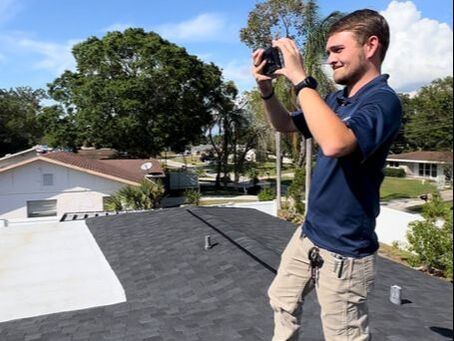
William is a rare breed: a Florida native with deep roots in both the community and the construction industry. He began his career working alongside his father, Robert, in real estate renovations, gaining firsthand knowledge of homes from the inside out. In 2015, he brought that experience to Hope Home Inspections, where he continues to deliver comprehensive, reliable inspections with a commitment to honesty and detail.
William holds multiple advanced certifications that position him as one of the most qualified inspectors in the region. He is a Certified Master Inspector (CMI), Licensed Florida Home Inspector, Licensed Mold Assessor, Licensed Drone Operator, and Licensed WDO Inspector. Additionally, he is a Certified Pest Control Operator, Certified Commercial Property Inspector, and Radon Measurement Specialist—allowing him to provide a full spectrum of residential and commercial inspection services.
When he’s not on the job, William spends his time enjoying the Florida lifestyle with family and friends. As a licensed boat captain, he can often be found on the water fishing or boating. He’s also a proud father to a healthy baby boy, who inspires him to maintain the highest standards in everything he does.
With over a decade of hands-on experience and a long list of credentials, William is a trusted expert for buyers, sellers, and real estate professionals all across Florida.